Definition
Serialization — Serialization is the practice of assigning a unique identifier to each individual tubular or tool so its inspection history, dimensions, class and running record can be tracked throughout its service life.
Also known as: serialization, serial numbering, joint tracking, unique identification
What serialization is
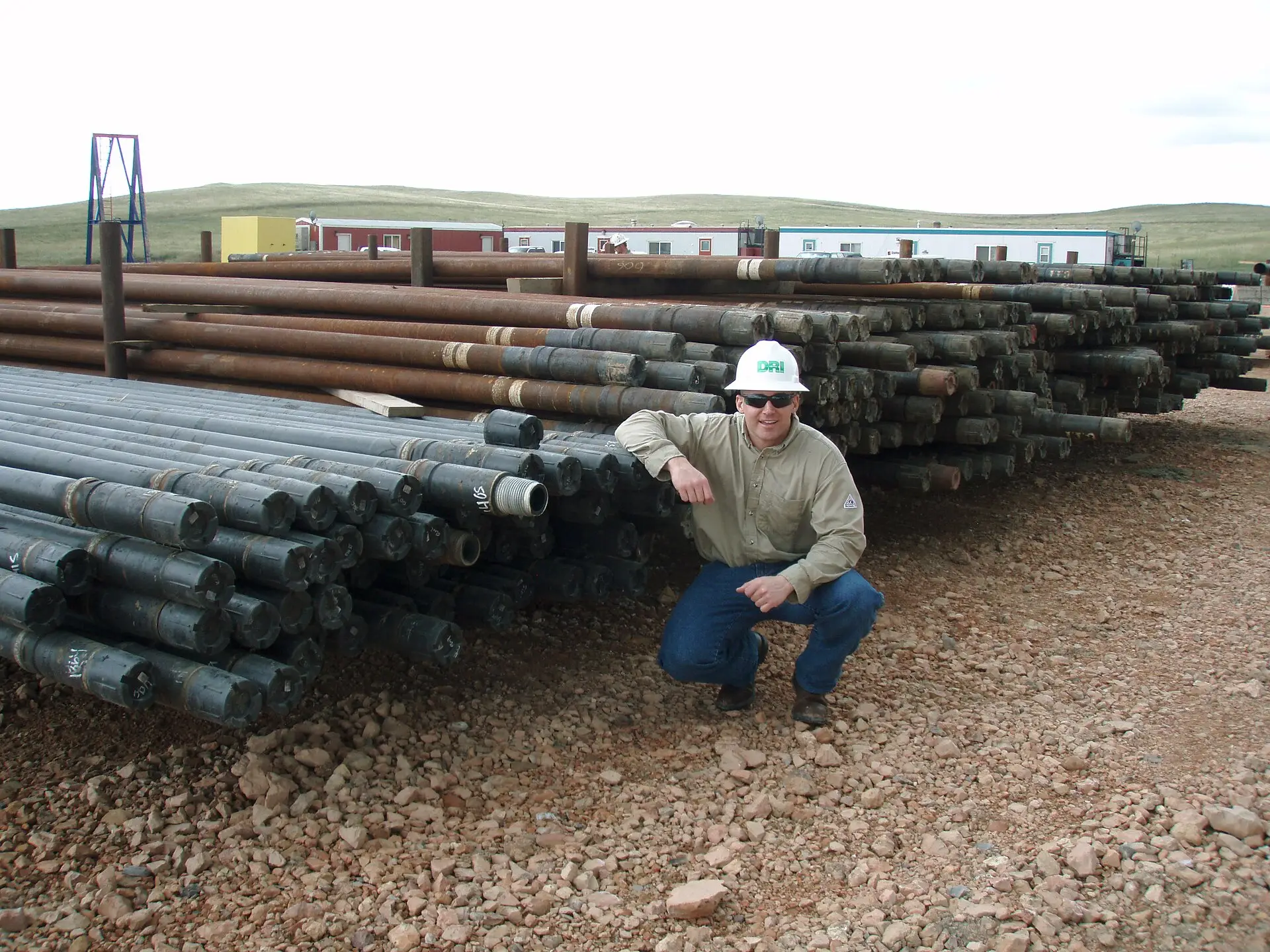
Serialization gives every joint of drill pipe, drill collar, sub or downhole tool a unique serial number, stamped, stenciled or carried on a durable tag (increasingly RFID). That identifier links the physical item to its records: manufacturing data, grade, dimensions, each inspection result and class, cumulative rotating hours and any repairs. It turns a nameless piece of pipe into a traceable asset with a full life history.
Inspection standards such as DS-1 rely on serialization so that a component’s remaining body wall, connection condition and inspection dates can be recorded and audited per joint rather than only per string.
Why it matters
- Traceability — links each joint to its mill certificate and inspection history.
- Fatigue and wear tracking — accumulated hours and wall loss follow the individual joint.
- Auditability — operators can verify class and last-inspection date for any item.
Without serialization, condition data cannot be reliably attributed, and mixed-class strings become hard to manage safely.
Why it matters for rentals
Serialized rental tubulars let you verify exactly which joints you have and their documented condition. See our drill pipe and quality program, or contact us to request per-joint records.